
Cold Weather Shooting Tips for Safer Winter Outings
Winter shooting can be incredibly rewarding—quiet ranges, crisp air, and fewer distractions—but cold conditions also introduce unique challenges. From reduced dexterity to equipment performance changes, preparing properly is essential for safety, accuracy, and enjoyment during winter outings.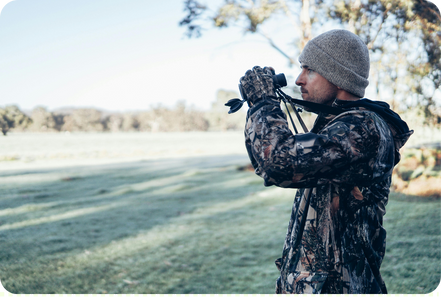
Dress for Warmth and Mobility
Layering is key. Start with moisture-wicking base layers to keep sweat off your skin, add insulating layers for warmth, and finish with a windproof, waterproof outer shell. Gloves should provide warmth without sacrificing trigger control, and insulated boots with good traction help prevent slips on icy terrain. Staying warm reduces fatigue and keeps your focus sharp.
Protect Your Equipment from the Cold
Cold temperatures can affect seals, lubricants, and moving parts. Before heading out, ensure your air gun is clean and properly lubricated with cold-weather-rated products. Avoid sudden temperature changes—bringing cold gear into a warm vehicle can cause condensation, which may lead to corrosion. After your session, let equipment acclimate slowly before storage.
Mind Your Air Supply in Winter
For PCP shooters, cold weather has a direct impact on air pressure and consistency. Lower temperatures can reduce effective pressure and shot count, which may affect accuracy. Planning your air management is critical to avoid mid-session issues.
This is where a reliable PCP compressor becomes especially important. Having the ability to top off air cylinders before heading out—or between sessions—ensures consistent pressure and dependable performance despite temperature drops. A personal compressor also reduces the need for last-minute trips to fill stations in harsh weather.
The SPOX5 PCP C3 compressor is well-suited for winter use thanks to its compact design, portability, and ability to deliver up to 4500 PSI (300 bar). By refilling at home in a controlled environment, shooters can start each outing with optimal pressure, minimizing cold-related inconsistencies in the field.
Adjust Technique and Expectations
Cold affects the shooter too. Stiff muscles and slower reactions can impact accuracy. Take extra time to warm up, focus on controlled breathing, and slow your shooting pace. Visibility may also change due to low light or snow glare, so adjust optics and targets accordingly.
Safety First, Always
Winter conditions demand heightened awareness. Watch footing, maintain clear communication with shooting partners, and never rush handling procedures. Cold hands can reduce sensation, so double-check grip and trigger discipline.
With proper preparation, reliable air management, and dependable tools like the SPOX5 PCP C3, winter shooting can be safe, consistent, and deeply enjoyable. Embrace the season, plan ahead, and enjoy every precise shot—even in the coldest conditions.